
Summary
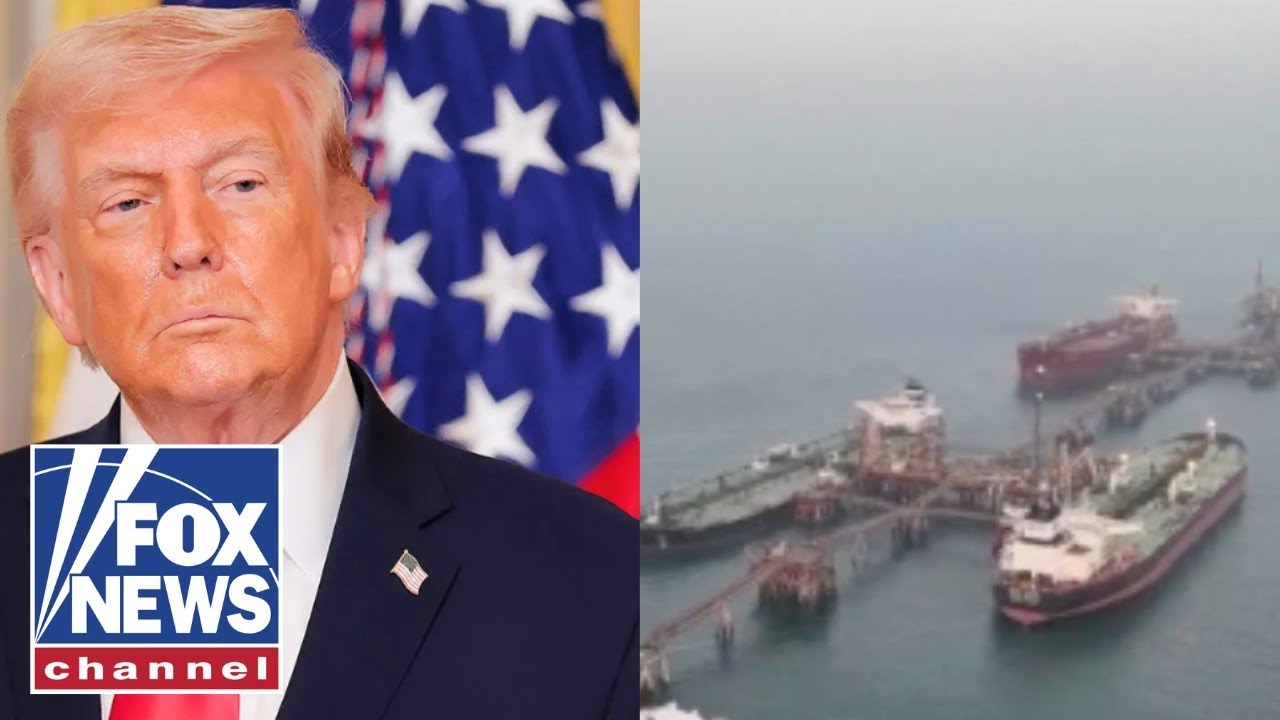
The **Strait of Hormuz**, a critical oil shipping route, is reportedly open, according to both **Iran** and the **U.S.**. President **Donald Trump** stated that the U.S. naval blockade on key Iranian ports remains in place, but could be lifted if an agreement is reached. This development has led to a significant drop in **oil prices**, with a nearly 10% decrease, and a surge in markets. The situation is being closely watched, as any disruption to oil supplies through the Strait of Hormuz could have major implications for the global economy. The U.S. and Iran have been engaged in a series of tensions, including the imposition of **sanctions** by the U.S. and the seizure of oil tankers by Iran. For more information on the Strait of Hormuz, see [[strait-of-hormuz|Strait of Hormuz]]. For information on U.S.-Iran relations, see [[us-iran-relations|U.S.-Iran Relations]].
Key Takeaways
- The Strait of Hormuz is a critical oil shipping route
- The U.S. has imposed sanctions on Iran
- Iran has seized oil tankers
- The reported opening of the Strait of Hormuz and the potential lifting of the U.S. naval blockade on Iranian ports could be a significant development in the region
- The situation remains complex and fluid, with many factors at play
Balanced Perspective
The situation regarding the Strait of Hormuz and the U.S. naval blockade on Iranian ports remains complex and fluid. While the reported opening of the strait and the potential lifting of the blockade could be positive developments, many factors are at play. The **United Nations** has called for calm and restraint in the region, and for a negotiated solution to the tensions between the U.S. and Iran. For more information on the United Nations, see [[united-nations|United Nations]].
Optimistic View
The reported opening of the Strait of Hormuz and the potential lifting of the U.S. naval blockade on Iranian ports could be a significant step towards easing tensions between the U.S. and Iran. This development could lead to increased oil supplies, lower prices, and a more stable global economy. The **International Energy Agency (IEA)** has noted that the Strait of Hormuz is a critical oil shipping route, and any disruption to supplies could have major implications. For more information on the IEA, see [[iea|International Energy Agency]].
Critical View
The reported opening of the Strait of Hormuz and the potential lifting of the U.S. naval blockade on Iranian ports may not necessarily lead to a lasting easing of tensions between the U.S. and Iran. The **Iranian Revolutionary Guard Corps (IRGC)** has been involved in the seizure of oil tankers, and the U.S. has imposed significant sanctions on Iran. The situation remains volatile, and any disruption to oil supplies could have major implications for the global economy. For more information on the IRGC, see [[irgc|Iranian Revolutionary Guard Corps]].
Source
Originally reported by MS NOW